
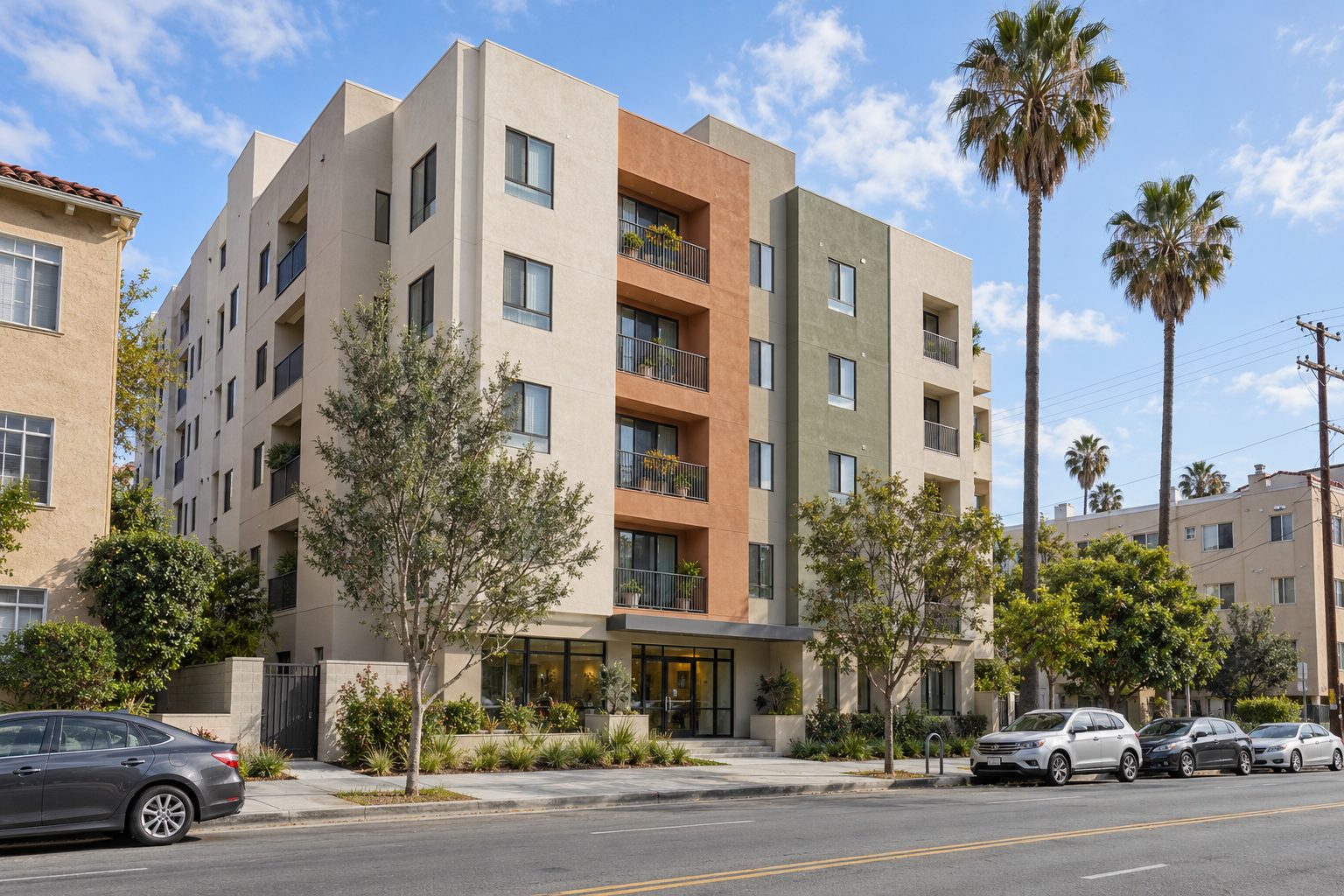
Preserve Affordability. Plan for Long-Term Ownership.
One West Group helps owners, investors, and housing organizations evaluate affordable housing real estate, understand property-specific obligations, and develop an acquisition or disposition strategy aligned with long-term objectives.
Housing with a Purpose. Transactions That Require a Clear Plan.
Affordable housing connects real estate ownership with commitments to residents and the communities it serves. Evaluating these properties requires an understanding of their income, physical condition, financing, and applicable affordability requirements.
We help clients organize those elements into a clear transaction strategy. Whether you’re selling an existing community, acquiring a restricted property, or exploring a preservation opportunity, our approach starts with understanding the asset and the obligations that shape its ownership.
An affordable housing transaction may involve several layers of agreements, financing, and approval requirements. Understanding how those elements interact is essential to developing a realistic sale or acquisition plan.
One West Group focuses on the real estate transaction while coordinating with the specialists needed to evaluate legal, tax, compliance, and financing matters. We help clients identify critical questions early and keep the process aligned with documented property requirements.
Advisory Across Affordable Housing Ownership Strategies.
A focused approach to evaluating the real estate, identifying transaction requirements, and coordinating with the appropriate professional team.
Affordable Housing Investment Sales
Position your property around its operating performance, physical condition, affordability structure, and ownership requirements. We develop the pricing and marketing strategy, qualify prospective buyers, and guide negotiations through due diligence and closing.
Acquisition Advisory
Identify and evaluate opportunities aligned with your investment criteria, operating capabilities, and housing objectives. We help buyers organize the review of income, expenses, restrictions, capital needs, and transaction dependencies.
Property Valuation & Strategy
Assess market positioning through operating income, comparable activity, property condition, and the effects of applicable restrictions and financing. Our broker’s opinion of value helps inform pricing and ownership decisions, with specialized valuation input coordinated where appropriate.
Preservation & Long-Term Ownership Planning
Help owners evaluate a sale, continued ownership, rehabilitation, or a potential preservation transaction. We coordinate with specialists to investigate existing obligations, upcoming milestones, and options consistent with the property’s requirements.
Capital Needs & Rehabilitation Opportunities
Evaluate properties requiring physical improvements, building-system upgrades, or broader rehabilitation. Potential strategies are considered alongside estimated costs, resident considerations, financing constraints, and approval requirements.
Portfolio Acquisitions & Dispositions
Assess individual properties within a broader housing portfolio. We help clients compare operating performance, geographic exposure, affordability structures, capital requirements, and transaction complexity.
Development-Site Advisory
Help clients evaluate potential affordable housing sites based on location, access, surrounding services, land-use considerations, and development objectives. Feasibility, funding, entitlement, and program eligibility require specialist review.
Approval & Transaction Coordination
Coordinate the real estate process with the client’s legal, lending, compliance, and affordable housing teams. Identify consent requirements and other dependencies early to support a realistic transaction timeline.
Different Housing Structures. Property-Specific Strategies.
Affordable housing can involve overlapping restrictions, funding sources, and assistance arrangements. Each property requires an individual review.
- Income-Restricted Multifamily Communities
Apartment properties subject to documented household-income limits, rent restrictions, or other affordability commitments.
- Existing Tax Credit Properties
Communities developed or rehabilitated through Low-Income Housing Tax Credit structures, with property-specific ownership, compliance, and extended-use considerations.
- Project-Based Assisted Properties
Communities with rental assistance tied to designated units or the property under documented agreements.
- Mixed-Income Communities
Properties combining restricted and unrestricted units, requiring separate analysis of the applicable rents, income, and obligations.
- Affordable Senior Apartments
Age-restricted residential communities with applicable affordability requirements. These properties are evaluated separately from assisted living and care facilities.
- Preservation & Rehabilitation Opportunities
Existing communities being evaluated for continued affordability, capital improvements, or a change in ownership structure.
- Potential Affordable Housing Development Sites
Land or existing properties being considered for new affordable housing, subject to feasibility, approvals, and funding requirements.
Unrestricted properties with comparatively low rents are evaluated separately from regulated affordable housing. Any applicable restrictions or assistance arrangements must be confirmed through documentation.
Understand the Requirements Behind the Real Estate.
The rent roll is only part of the analysis. Ownership obligations, capital requirements, financing, and approvals can materially influence value and execution.
Affordability Restrictions
Recorded agreements, regulatory documents, rent limits, occupancy requirements, and the periods during which restrictions apply.
Revenue & Assistance Structure
Tenant-paid rent, documented rental assistance, other income, collection history, and the terms supporting each revenue source.
Operating Performance
Historical income, expenses, vacancy, collections, management costs, and the assumptions supporting projected performance.
Compliance Documentation
Available reports, notices, certifications, and outstanding findings requiring review by qualified compliance and legal professionals.
Financing & Ownership Structure
Existing loans, subordinate financing, partnership interests, consent requirements, and obligations that may affect a transfer or refinancing.
Physical Condition & Reserves
Building systems, deferred maintenance, accessibility considerations, replacement reserves, and anticipated rehabilitation costs.
Approval & Transfer Requirements
Required lender, agency, investor, or other third-party consents, together with buyer qualifications and transaction timing.
Residents & Community Continuity
Lease obligations, resident communications, potential rehabilitation impacts, and requirements relevant to an ownership transition.
Long-Term Market Position
Local housing demand, surrounding services, competing housing options, operating sustainability, and the capital needed to maintain the property.
A Clear Path Through a Detailed Transaction.
Define Your Objectives
Establish your acquisition, disposition, or preservation goals, ownership approach, budget, and timeline.
Evaluate the Property
Review operating information, physical condition, available affordability documents, financing, and ownership structure.
Validate the Requirements
Coordinate legal, financial, physical, tax, and compliance due diligence with qualified professionals.
Execute & Coordinate the Transition
Guide the real estate transaction while aligning closing with applicable approvals, contractual obligations, and transition requirements.
Frequently Asked Questions
What is affordable housing real estate?
The term can describe different housing arrangements. This page primarily addresses properties with documented affordability restrictions, assistance agreements, or program-related obligations. Unrestricted housing with lower rents requires a different analysis.
Are all affordable housing properties subject to the same rules?
No. Requirements depend on the property’s agreements, funding sources, financing, location, and operating structure. Multiple sets of obligations may apply to the same property.
Is tenant-based rental assistance the same as project-based assistance?
No. Tenant-based assistance is associated with an eligible household, while project-based assistance is tied to designated units or a property under a specific agreement. The applicable documents should be reviewed to understand the arrangement and its investment implications.
How do you evaluate an affordable housing property’s value?
We consider operating income, expenses, physical condition, comparable activity, capital needs, and the effects of applicable restrictions, assistance agreements, and financing. Specialized legal, compliance, and valuation input may be needed.
What information should an owner prepare before selling?
Useful materials include operating statements, rent rolls, leases, regulatory agreements, assistance contracts, financing documents, reserve information, capital improvement records, and available compliance reports. Sensitive resident information should be handled through an appropriately controlled process.
Can an affordable housing property be sold to any buyer?
Buyer qualifications and transfer requirements vary. A transaction may require lender, agency, investor, or other approvals. These requirements should be identified early and confirmed by the appropriate advisors and approving parties.
Does the end of an initial compliance period remove affordability restrictions?
That should not be assumed. Other recorded agreements, extended-use commitments, financing obligations, or requirements may continue. Qualified legal and compliance professionals should determine the property’s ongoing obligations.
Can an affordable housing property be rehabilitated while occupied?
Potential rehabilitation depends on the scope of work, property requirements, financing, approvals, and resident impacts. Any relocation, notice, accessibility, or other obligations should be evaluated by the appropriate professionals.
Do you work with nonprofit and mission-oriented buyers?
Yes. We help housing organizations and other buyers evaluate real estate opportunities aligned with their objectives, operating capabilities, and transaction requirements.
Can you help with affordable housing development sites?
Yes. We assist with site acquisition and disposition strategy. Development feasibility, funding availability, program eligibility, and approvals must be evaluated with qualified development, financing, design, and legal specialists.
What’s Next for Your Affordable Housing Property?
Selling a community, evaluating an acquisition, or exploring a preservation opportunity? Let’s review the property, clarify your objectives, and develop a coordinated path forward.