
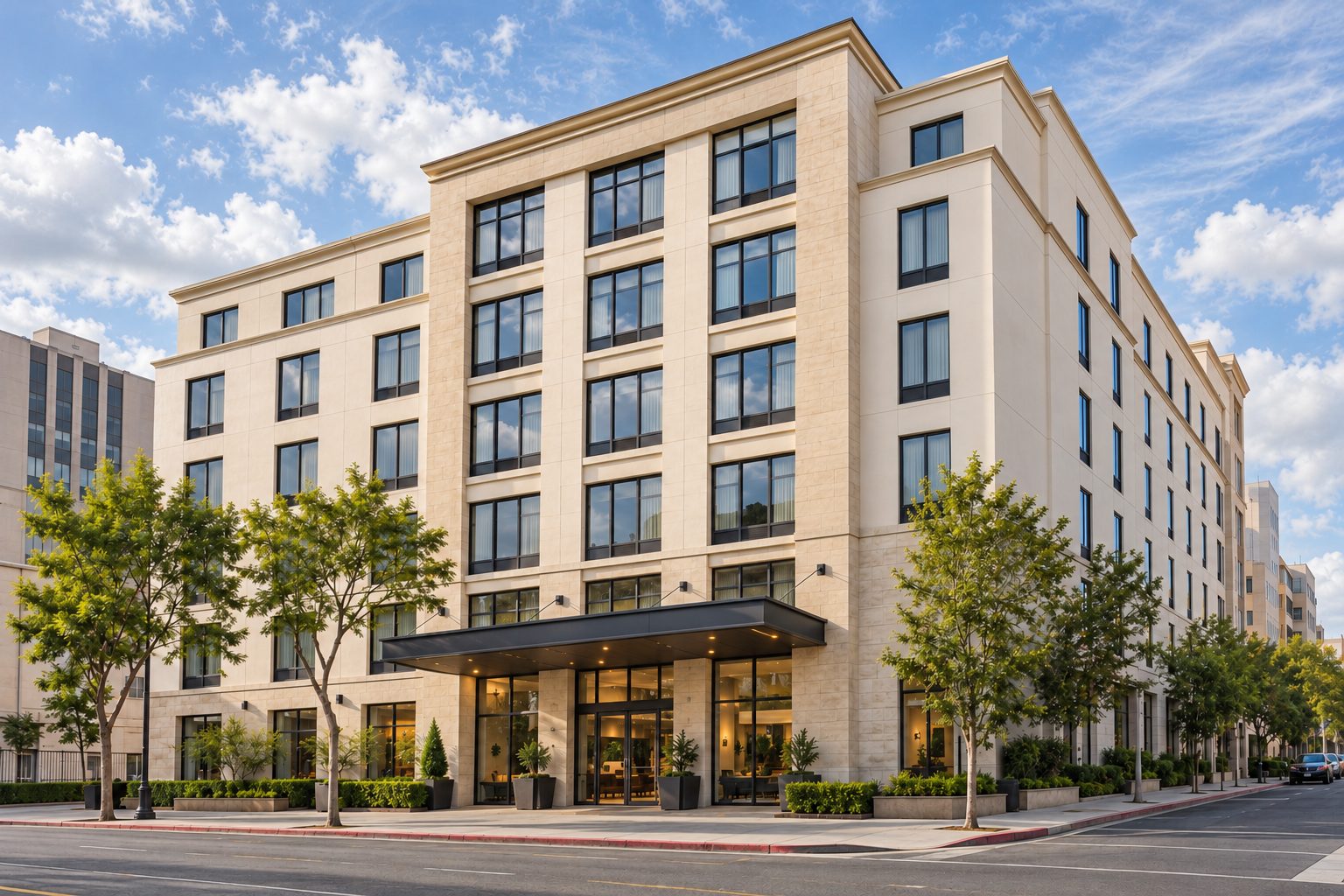
The Property. The Performance. The Opportunity.
From independent motels to larger hotel assets, One West Group helps owners, investors, and owner-operators evaluate hospitality real estate, understand its performance, and plan their next move.
Hospitality Real Estate Requires a Closer Look.
A hotel or motel is both a real estate asset and an operating business. Its value reflects the property’s location and condition, the demand it serves, and the income it can sustain.
We help clients evaluate these elements together. Whether you’re selling an established property, purchasing your first hospitality investment, expanding a portfolio, or considering a repositioning opportunity, our approach starts with the asset’s fundamentals and your objectives.
An attractive price per room does not establish a strong investment. Buyers need to understand how the property earns its revenue, what it costs to operate, and what additional capital may be required after closing.
One West Group helps clients connect the real estate with the operating picture. We organize the transaction around the questions that matter and coordinate with the professionals needed to evaluate them.
Advisory Across the Hospitality Investment Cycle.
A focused approach to understanding the property, evaluating the opportunity, and coordinating the transaction.
Hotel & Motel Investment Sales
Position your property around its location, operating history, physical condition, and investment potential. We develop the pricing and marketing strategy, qualify prospective buyers, and guide negotiations through due diligence and closing.
Acquisition & Owner-Operator Advisory
Identify properties aligned with your budget, experience, operating plans, and investment goals. We help buyers evaluate financial performance, property requirements, and the transaction considerations involved in assuming ownership.
Property Valuation & Sale Strategy
Assess market positioning through operating results, comparable transactions, property condition, and anticipated capital needs. Our broker’s opinion of value helps owners evaluate pricing, timing, and potential buyer profiles.
Operating Performance Review
Review available historical financials, occupancy, average daily rate, revenue per available room, and departmental expenses. We help identify trends and questions for further investigation with your accounting and hospitality specialists.
Repositioning & Renovation Opportunities
Evaluate assets that may benefit from physical improvements, a revised market position, or a different operating approach. We help frame the opportunity alongside renovation costs, disruption, approvals, and execution requirements.
Brand & Management Transition Coordination
Identify transaction issues involving franchise agreements, management contracts, transfer requirements, and property improvement plans. We coordinate with the relevant parties and your professional advisors as these matters are evaluated.
Portfolio & Development-Site Advisory
Help clients evaluate hospitality holdings, portfolio dispositions, and potential hotel development sites. Existing operations and development opportunities are assessed according to their distinct market, capital, and approval requirements.
1031 Exchange Coordination
Support the real estate acquisition or disposition strategy alongside your qualified intermediary and tax and legal advisors. We help coordinate the property search while your advisors assess the treatment of real estate and other transaction components.
Hospitality Properties Across Formats and Scale.
Every hospitality asset serves a different guest, market, and ownership strategy. We tailor the approach to the property’s format, operating profile, and investment potential.
- Independent Hotels
- Boutique Hotels
- Branded & Franchise Hotels
- Limited-Service & Select-Service Hotels
- Full-Service Hotels
- Extended-Stay Properties
- Motels & Roadside Lodging
- Hospitality Portfolios
- Renovation & Repositioning Opportunities
- Hotel Development Sites
Look Beyond the Room Count.
The number of rooms is only the starting point. We help clients examine the factors that influence operating performance, ownership costs, and long-term value.
Location & Demand Drivers
Proximity to employment centers, transportation, tourism, medical facilities, universities, events, and other sources of guest demand.
Occupancy & Rate Performance
Historical occupancy, average daily rate, revenue per available room, seasonality, and the relationship between room demand and pricing.
Operating Income & Expenses
Room revenue, other income, payroll, utilities, insurance, maintenance, distribution costs, and applicable franchise or management fees.
Physical Condition & Capital Needs
Guest rooms, roofs, building systems, common areas, amenities, accessibility considerations, and anticipated repair or replacement requirements.
Brand & Contractual Obligations
Franchise terms, management agreements, transfer conditions, reservation systems, and any required property improvement plan.
Market Position & Competition
The property’s guest profile, competing lodging options, new supply, amenities, and ability to sustain demand within its market.
Ownership & Transaction Structure
The real estate interest being acquired and the treatment of furniture, fixtures, equipment, inventory, contracts, and other business assets.
Licenses, Approvals & Property Use
Existing operating permissions, applicable licenses, occupancy conditions, and requirements that may affect continued operations or a proposed change.
From Initial Review to Ownership Transition.
Define Your Objectives
Establish your acquisition or disposition goals, budget, financing approach, operating plans, and timeline.
Evaluate the Asset
Review available financials, property condition, market positioning, contracts, and anticipated capital requirements.
Validate the Opportunity
Coordinate financial, physical, operational, and contractual due diligence with the appropriate professionals.
Execute & Coordinate the Transition
Guide negotiations and closing while coordinating transaction requirements related to possession, contracts, approvals, and the operating handoff.
Frequently Asked Questions
Do you work with both hotels and motels?
Yes. We advise on hotel and motel real estate, including independent properties, branded assets, boutique hotels, extended-stay properties, and owner-operator opportunities. The strategy is tailored to the property’s operating format and ownership objectives.
How do you evaluate a hotel or motel’s value?
We consider operating history, location, property condition, room count, comparable transactions, and anticipated capital needs. Brand obligations, management arrangements, and the structure of the ownership interest also influence the analysis.
What financial information should I prepare before selling?
Useful information includes historical profit-and-loss statements, monthly occupancy and rate reports, available tax records, a breakdown of operating expenses, and capital improvement history. Franchise agreements, management contracts, and any property improvement plan are also important where applicable.
What are ADR and RevPAR?
Average daily rate, or ADR, measures room revenue divided by rooms sold. Revenue per available room, or RevPAR, measures room revenue divided by available rooms. These metrics help explain room performance, but they do not measure the property’s overall profitability.
Can you help buyers who plan to operate the property themselves?
Yes. We help owner-operators evaluate acquisition opportunities based on their goals, available capital, experience, and operating plans. Specialized operational, accounting, and legal questions are addressed with the appropriate advisors.
What should buyers review beyond the purchase price?
Consider working capital, renovation needs, furniture and equipment replacement, financing costs, insurance, staffing, and applicable franchise or management obligations. These items can materially affect the capital required to acquire and operate the property.
What is a property improvement plan?
A property improvement plan, often called a PIP, identifies improvements required by a hotel brand under specified circumstances. Buyers should confirm the applicable scope, timing, costs, and approval requirements directly with the brand and their advisors.
Can a hotel or motel be repositioned or converted to another use?
Some properties may offer repositioning or conversion potential. Feasibility depends on demand, zoning, approvals, building configuration, contractual restrictions, renovation costs, and other property-specific factors. We help identify opportunities for further evaluation with qualified specialists.
Can hospitality real estate be part of a 1031 exchange?
The real estate component may be considered for a 1031 exchange, subject to the applicable requirements. Hospitality transactions can include other assets that require separate treatment. Your qualified intermediary and tax and legal advisors should evaluate the transaction structure.
What’s Next for Your Hospitality Investment?
Selling a hotel or motel, acquiring your next property, or evaluating a repositioning opportunity? Let’s review the asset, understand your objectives, and develop a clear path forward.